Global Neuroscience Leaders Hail Zimbabwe as Emerging Hub for Brain Research and Medical Tourism
Written by Staff Reporter on April 13, 2026
By: Letshani Ngwenya
Zimbabwe’s ambitions to become a global player in medical tourism and scientific innovation received a major boost following the SIGN Conference, with leading neuroscientist Prof Piotr Walczak praising the country as an inspiring destination for cutting-edge collaboration.
Speaking on the sidelines of the high-profile gathering held in Victoria Falls, Prof Walczak, co-founder of the Society for Image-Guided Neurointerventions (SIGN) said the conference marked a significant step in advancing global efforts to treat complex brain diseases.
“We created this society to bring together experts from various fields to advance treatment of conditions like stroke, traumatic brain injury, and brain cancer,” he said.
“These are challenging diseases that require multidisciplinary collaboration, and that’s exactly what we achieved here.”
Prof Walczak highlighted key breakthroughs discussed during the conference, including innovative approaches to brain cancer treatment such as precision drug delivery and the integration of virtual reality technologies in neurointerventions.
He also pointed to insights shared by renowned scientists, including Nobel Prize-winning research on Alzheimer’s disease, as evidence of the event’s high scientific value.
Beyond the laboratory, however, it was Zimbabwe itself that left a lasting impression.
“The beauty of nature here and the rich culture create a stimulating environment for new ideas,” he said. “This is probably one of the most remarkable venues we’ve had. People are truly impressed.”
He added that the warmth and hospitality of Zimbabweans stood out as a defining feature of the experience, describing it as “unmatched” and a key factor in fostering meaningful global collaboration.
The conference aligns closely with the government’s broader strategy to diversify tourism into high-value sectors such as medical and conference tourism.
The Permanent Secretary in the Ministry of Tourism and Hospitality Industry Dr T. Munyanyiwa, who also spoke at the event, emphasized that such gatherings are part of a deliberate effort to position Zimbabwe as a “knowledge development hub.”
According to the ministry, the medical tourism cluster is among several priority areas including cultural, wildlife, and gastronomy tourism being developed to drive economic growth. Events like the SIGN Conference not only enhance Zimbabwe’s international profile but also contribute to long-term improvements in healthcare infrastructure and research capacity.
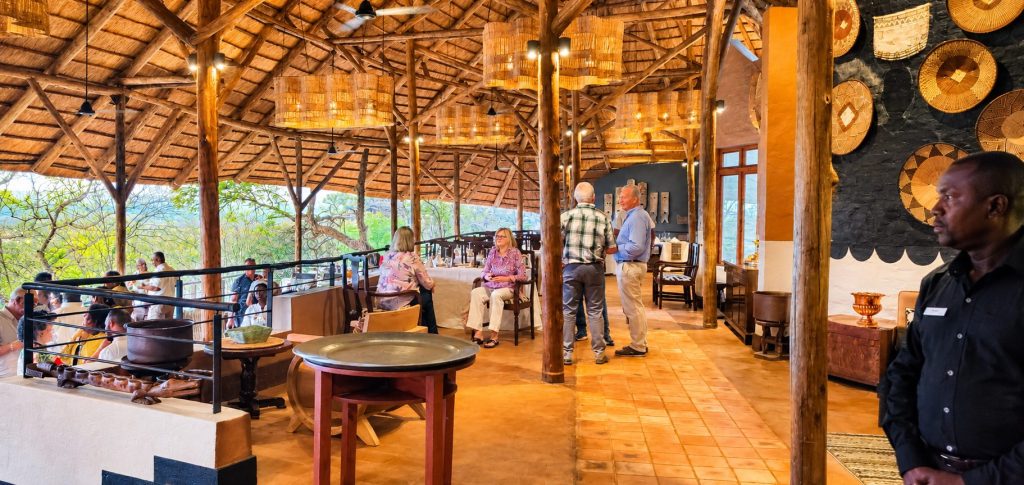
Delegates experienced a blend of scientific engagement and cultural immersion, with excursions to attractions such as Hwange National Park and curated showcases of Zimbabwean cuisine and heritage.
Prof Walczak expressed optimism about the future, noting that the relationships and ideas forged in Zimbabwe could have lasting global impact.
“When you bring together great minds in an environment like this, the results go beyond science they create lasting collaborations,” he said. “Who knows, maybe we will return in a few years.”
With growing interest from international experts and ongoing efforts to attract major conferences, Zimbabwe appears to be steadily building its reputation not only as a premier travel destination, but also as a center for innovation in medicine and research.




 Breeze FM