Engineer Muguti Advocates Water-Led Development Planning Under Devolution
Written by Staff Reporter on June 25, 2026
Permanent Secretary for Presidential Affairs and Devolution, , has called for water and sanitation to become the foundation of settlement planning and development across Zimbabwe, stressing that sustainable communities can only be established where reliable water resources exist.
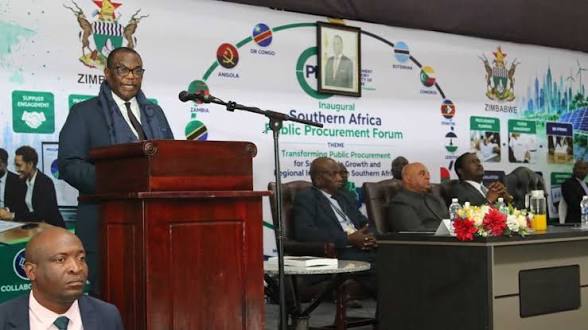
Speaking during a recent lecture on Devolution and Water, Sanitation and Hygiene (WASH), Engineer Muguti said access to water must be treated as a strategic development priority and integrated into all levels of planning to ensure long-term community sustainability and economic growth.
He warned that water challenges vary significantly across regions, making it imperative for local authorities and planners to undertake comprehensive assessments of water availability and sanitation requirements before approving new settlements or development projects.
Engineer Muguti said the success of devolution depends on aligning infrastructure development with local realities, noting that water and sanitation systems should form a core component of spatial planning and community development strategies.
He emphasised that national policies on water management and service delivery must be effectively translated into practical action through decentralisation, enabling local authorities to respond to the unique needs and circumstances of their communities.
The Permanent Secretary outlined a multi-tier governance framework designed to strengthen service delivery under devolution. Under the model, central Government provides policy direction and strategic oversight, provincial structures coordinate programmes, while districts and rural district councils drive implementation on the ground.
He said communities themselves must play a central role in the development process through active participation in Water Development Committees and Village Development Committees, ensuring local ownership, accountability and sustainability of projects.
Engineer Muguti noted that placing water and sanitation at the heart of development planning would not only improve public health outcomes but also support agricultural productivity, industrial growth and overall socio-economic transformation.
His remarks reinforce Government’s broader devolution agenda, which seeks to empower local communities, strengthen service delivery and promote inclusive development by ensuring that critical resources such as water are incorporated into planning and decision-making processes from the outset.
The call for water-centred settlement planning comes as Zimbabwe continues to prioritise investment in WASH infrastructure as a key pillar of sustainable development and improved quality of life for communities nationwide.
By Witness A Phiri



 Breeze FM