Festive Season Brings Fear as Malaishas Prey on Young Girls, Fueling STI Crisis in Matabeleland
Written by Staff Reporter on November 30, 2025
The December holidays, a time traditionally for family and celebration, have become a period of heightened risk for young, out-of-school girls in the rural districts of Matabeleland South, as returning migrant workers from South Africa, known locally as malaishas, take advantage of their vulnerability.
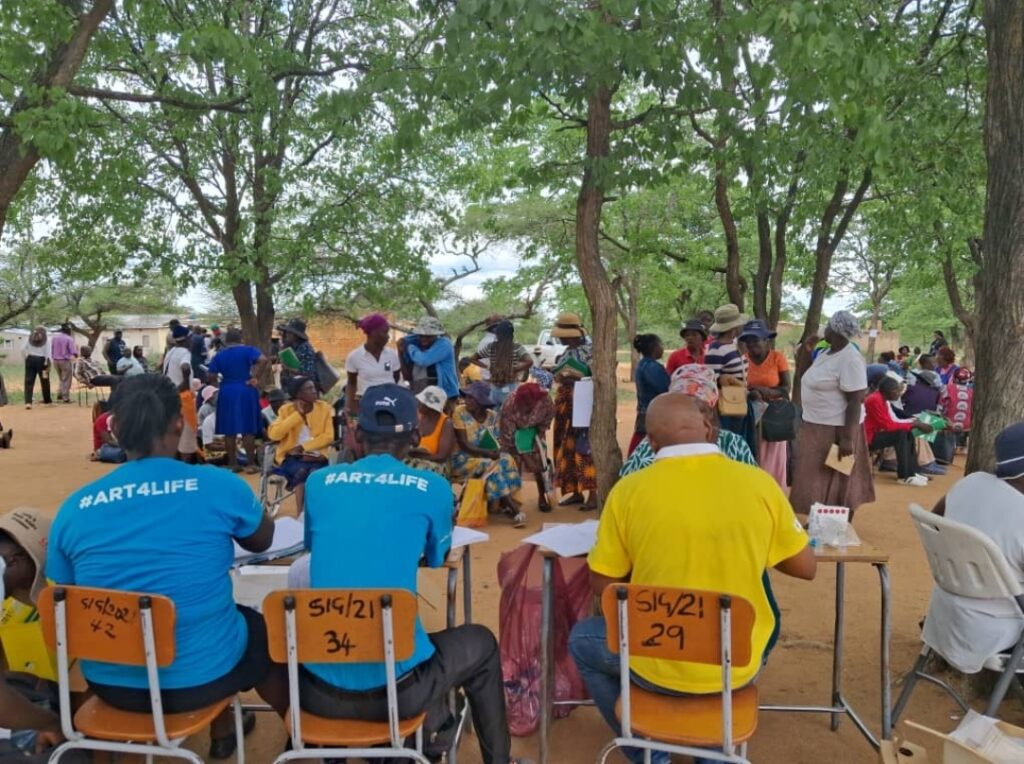
Community health officials and activists report a disturbing seasonal surge in sexually transmitted infections (STIs) and unintended pregnancies, directly linked to the influx of these migrant laborers who return with cash, gifts, and promises of a better life across the border.
Districts such as Bulilima, Mangwe, and Matobo are identified as hotspots, with adolescent girls being particularly targeted. The toxic combination of deep-seated poverty, the allure of quick money, and the glamorized perception of life in “Mzansi” leaves many girls with little power to refuse the advances of older, wealthier men.
“During this time, our clinics see a sharp increase in cases, especially among girls who should be in school,” said Mr. Moyo Kraal head from Matopo District. “The malaishas arrive with smartphones, new clothes, and cash, and for a young girl from a poor family, that offer is incredibly powerful. The consequences are devastating for their health and their future.”
The crisis is exacerbated by several factors, including condom shortages in remote clinics and popular all-night “tournaments” or parties that provide a platform for these exploitative encounters.
The long-term impact extends beyond immediate health concerns. The future of a generation of young girls is being mortgaged, with many dropping out of school due to pregnancy or illness, effectively trapping them in a cycle of dependency and poverty.
“The promise of Mzansi is a powerful manipulation tool,” noted a local youth advocate. “These men offer a glimpse of a world these girls can only dream of, but it’s an illusion. The reality is a shattered education, compromised health, and a future that is no longer in their own hands.”
As the festive season reaches its peak, calls are growing for intensified community-led awareness campaigns, improved access to sexual health services, and economic empowerment initiatives to protect the region’s most vulnerable from this silent but escalating crisis.
By Witness A Phiri


 Breeze FM